
Drawing Of Gross Anatomy Of The Urinary System
Drawing Of Gross Anatomy Of The Urinary System - View detailed illustrations of the kidneys, bladder, and other urinary system structures. Compare and contrast male and female urethras. Tubes that transport urine from the kidneys to the urinary bladder. For related information on other topics, visit byju’s. When your urinary system removes toxins and wastes from your body, it comes out as pee (urine). The kidneys, ureters, urinary bladder and the urethra. Identify the ureters, urinary bladder, and urethra, as well as their location, structure, histology, and function. Web anatomy of the male urinary system (left panel) and female urinary system (right panel); Web the urinary system consists of 4 major organs; Web internal anatomy a frontal section through the kidney reveals an outer region called the renal cortex and an inner region called the medulla (figure \(\pageindex{2}\)). Web in this laboratory, you will use models, diagrams and histological samples to study the anatomy of the urinary system. Test your knowledge of the urinary system with our unlabeled diagram: Describe voluntary and involuntary neural control of micturition. View detailed illustrations of the kidneys, bladder, and other urinary system structures. When your urinary system removes toxins and wastes from your body, it comes out as pee (urine). The kidneys alone perform the functions just described and manufacture urine in the process, while the other organs of the urinary system provide temporary storage reservoirs for urine or serve as. (portal systems also link the hypothalamus to the anterior pituitary, and the blood vessels of the digestive viscera to the liver.) The urinary system (or urinary tract) works as your body’s filtration system. Specifically, you will examine the gross and microscopic anatomy of the system as it is represented in humans. Web this chapter will help you to understand the gross and microscopic anatomy of the urinary system: Supplied by renal artery and vein. Describe voluntary and involuntary neural control of micturition. Web part of the teachme series. For related information on other topics, visit byju’s. The kidney is referred to as an excretory organ because it excretes 1 wastes. Identify the ureters, urinary bladder, and urethra, as well as their location, structure, histology, and function. Hilum is medial cleft for vessels and ureters to pass. Web gross anatomy of the human urinary system. Web this chapter will help you to understand the gross and microscopic anatomy of the urinary system: The ureters are bilateral tubes that drains urine from. Web this chapter will help you to understand the gross and microscopic anatomy of the urinary system: The kidney is referred to as an excretory organ because it excretes 1 wastes. The ureters are typically 28 to 34 centimeters in length and are positioned posterolateral in the body. Describe voluntary and involuntary neural control of micturition. Web the urinary bladder. Web the urinary system consists of 4 major organs; Kidneys, ureters, urinary bladder, and urethra. Paired organs located near the lower back that are the primary sites for blood filtration and urine formation. Web this is the only portal system in which an arteriole is found between the first and second capillary beds. When your urinary system removes toxins and. Paired organs located near the lower back that are the primary sites for blood filtration and urine formation. Paired, right is lower than left. Describe voluntary and involuntary neural control of micturition. The medical information on this site is provided as an information resource only, and is not to be used or relied on for any diagnostic or treatment purposes.. The ureters are typically 28 to 34 centimeters in length and are positioned posterolateral in the body. Test your knowledge of the urinary system with our unlabeled diagram: Paired, right is lower than left. Compare and contrast male and female urethras. Web study with quizlet and memorize flashcards containing terms like renal artery, renal hilum, kindey and more. The urinary system consists of two kidneys, two ureters, a urinary bladder, and a urethra. Web key features of the urinary system: Compare and contrast male and female urethras. The ureters are bilateral tubes that drains urine from the kidneys to the bladder through peristalsis and gravity (kowalczyk, 2022). Test your knowledge of the urinary system with our unlabeled diagram: The ureters are typically 28 to 34 centimeters in length and are positioned posterolateral in the body. Web part of the teachme series. Web internal anatomy a frontal section through the kidney reveals an outer region called the renal cortex and an inner region called the medulla (figure \(\pageindex{2}\)). Web learn about the urinary system with innerbody's interactive guide. Together. Web this chapter will help you to understand the gross and microscopic anatomy of the urinary system: The blood to produce urine. The ureters are typically 28 to 34 centimeters in length and are positioned posterolateral in the body. Web this is the only portal system in which an arteriole is found between the first and second capillary beds. Name. Web urinary system urinary system. Web what is the urinary system? Web part of the teachme series. The kidneys, ureters, urinary bladder and the urethra. Kidneys, ureters, urinary bladder, and urethra. Describe voluntary and involuntary neural control of micturition. You will also learn how blood flow through the. Web anatomy of the urinary system. Web anatomy of the male urinary system (left panel) and female urinary system (right panel); Web the urinary system consists of 4 major organs; Describe voluntary and involuntary neural control of micturition. View detailed illustrations of the kidneys, bladder, and other urinary system structures. The body takes nutrients from food and converts them to energy. The blood to produce urine. Practice tests, labeling quizzes and diagrams abound! Web key features of the urinary system: The ureters are typically 28 to 34 centimeters in length and are positioned posterolateral in the body. The kidney is referred to as an excretory organ because it excretes 1 wastes. To be able to pee, your body must pass this waste through a series of organs, ducts and tubes. The medical information on this site is provided as an information resource only, and is not to be used or relied on for any diagnostic or treatment purposes. Web this is the only portal system in which an arteriole is found between the first and second capillary beds.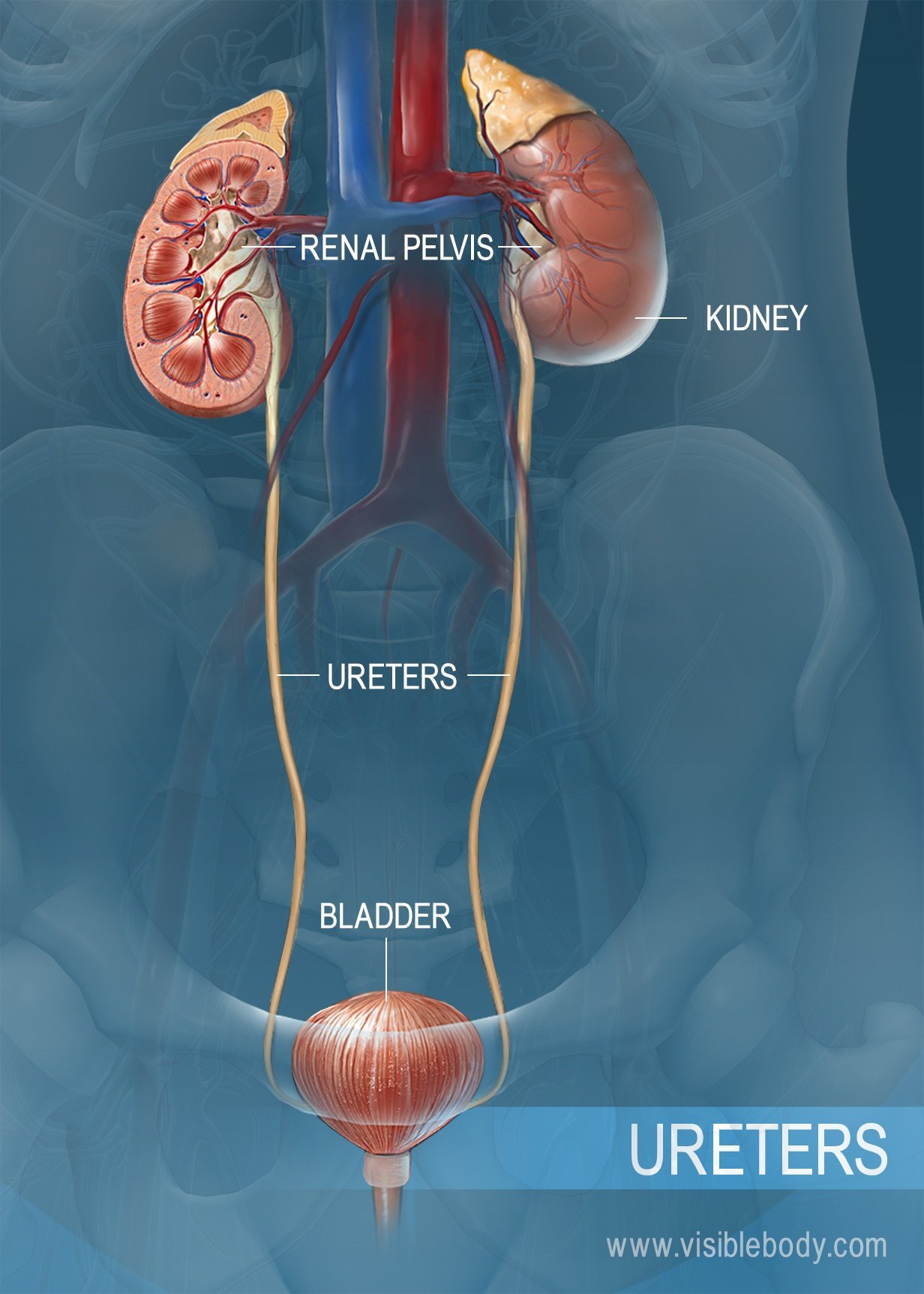
Urinary System Structures
:watermark(/images/watermark_5000_10percent.png,0,0,0):watermark(/images/logo_url.png,-10,-10,0):format(jpeg)/images/overview_image/3005/4g88ryXcmXUp9jhdiOQPA_anatomy-urinary-system-1_english.jpg)
Urinary system Organs, anatomy and clinical notes Kenhub

Illustration of Urinary System Stock Image F031/5298 Science
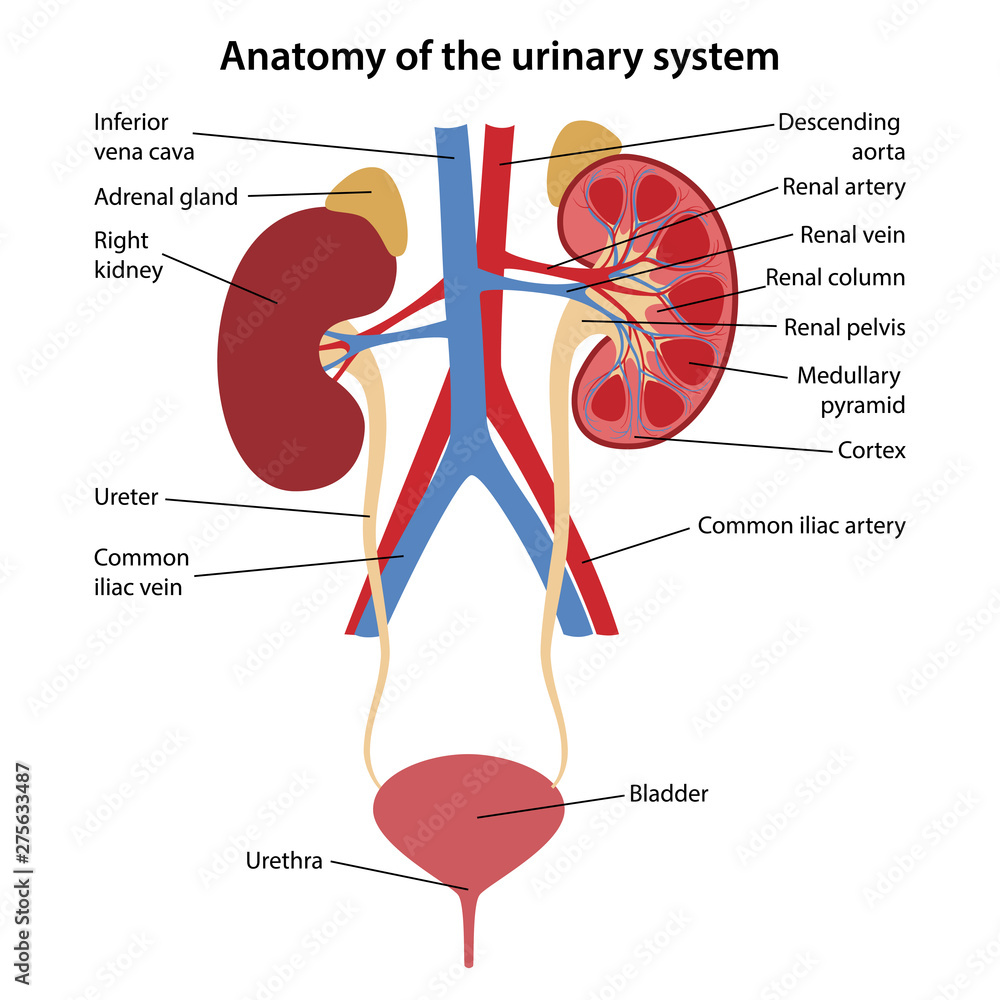
Anatomy of the human urinary system with main parts labeled. Vector
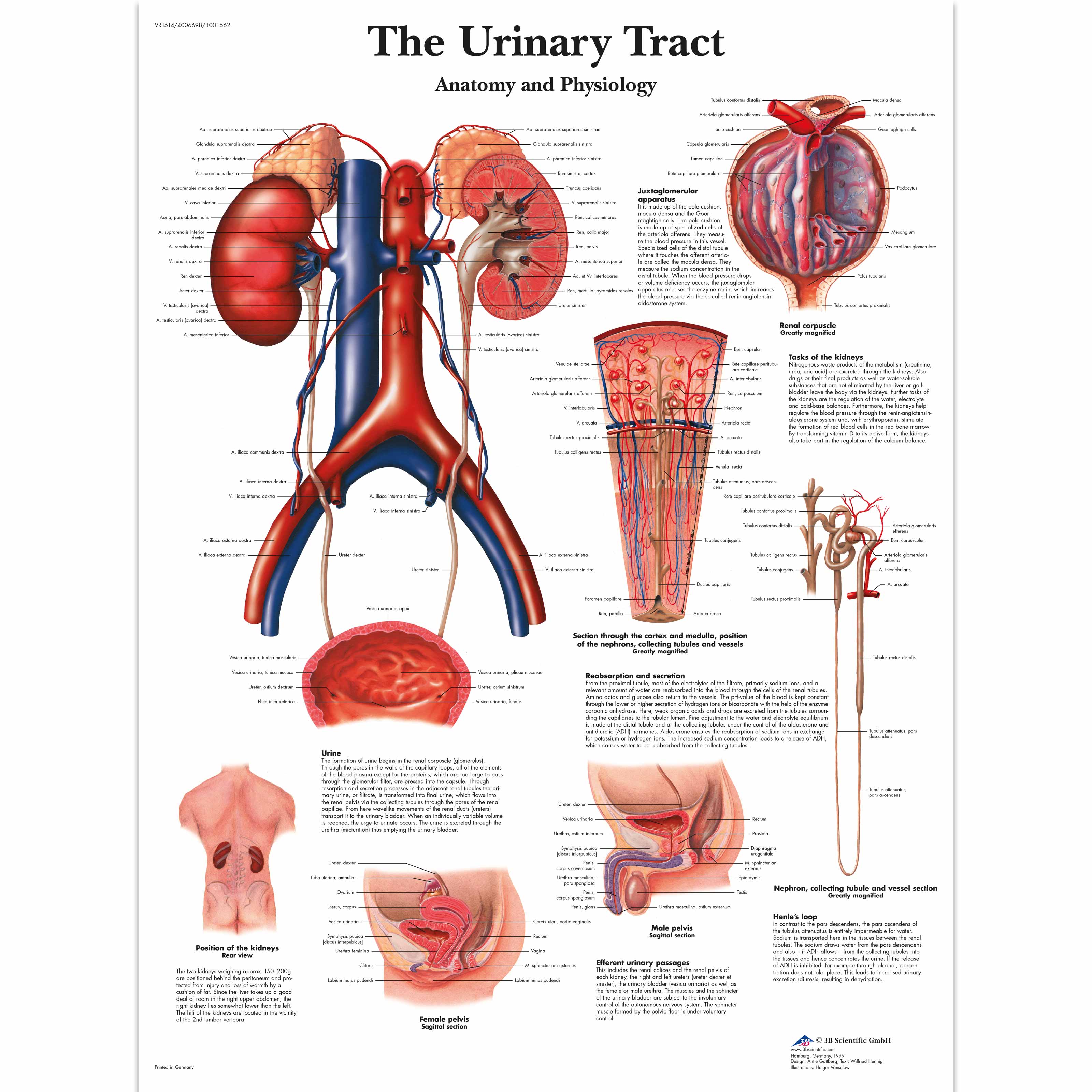
The Urinary Tract Anatomy and Physiology 1001562 3B Scientific
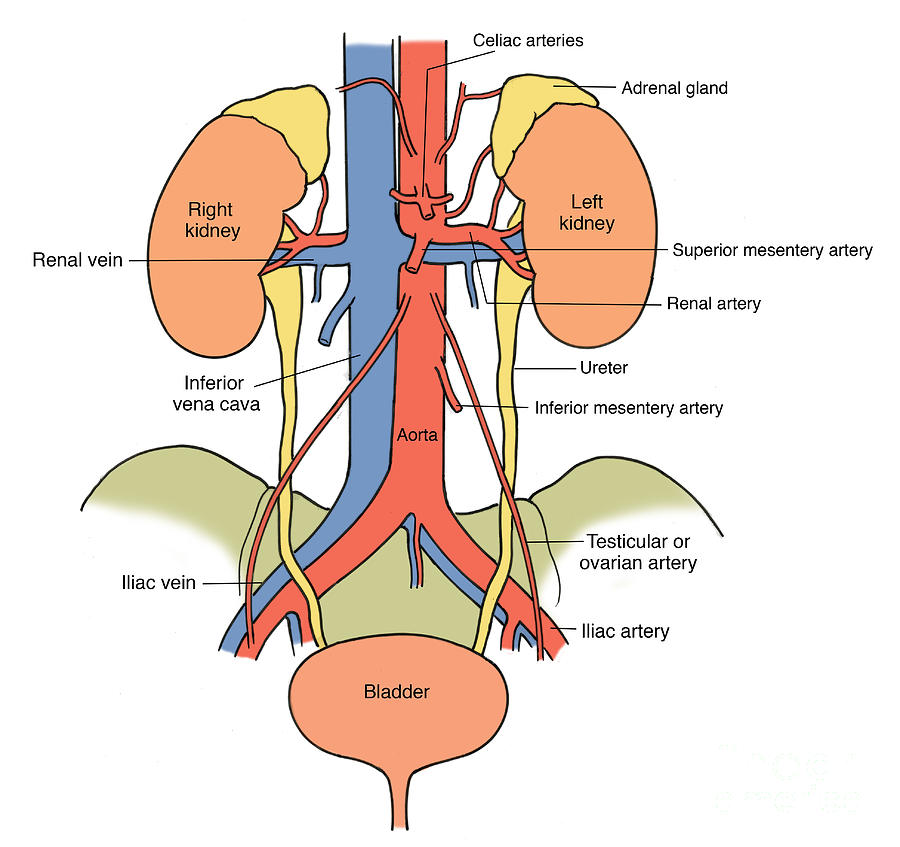
Illustration Of Urinary System Photograph by Science Source

Male Urinary System Medical Stock Images Company
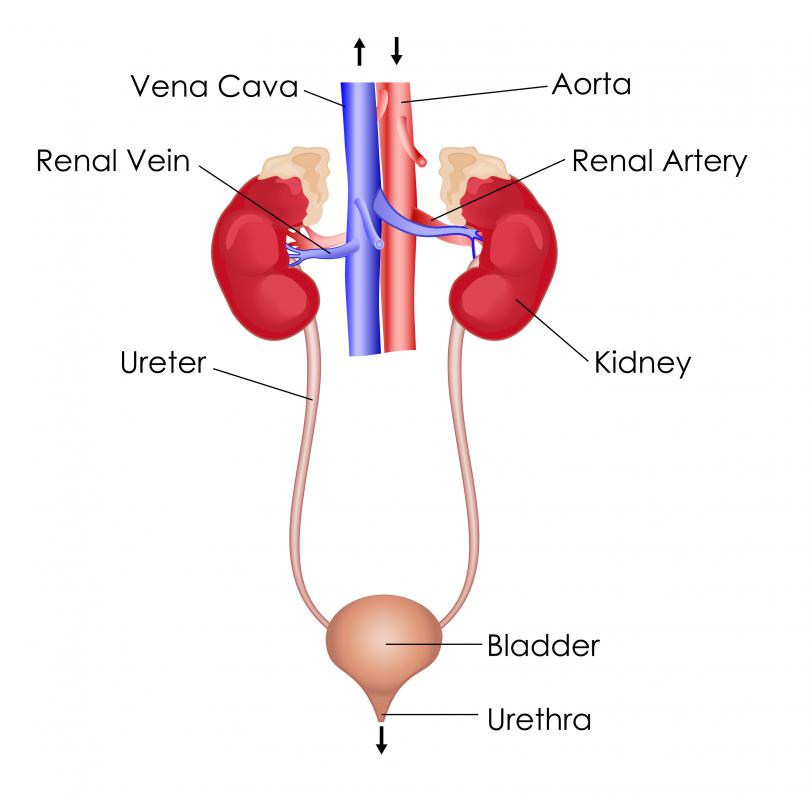
What Is the Structure of the Urinary System? (with pictures)
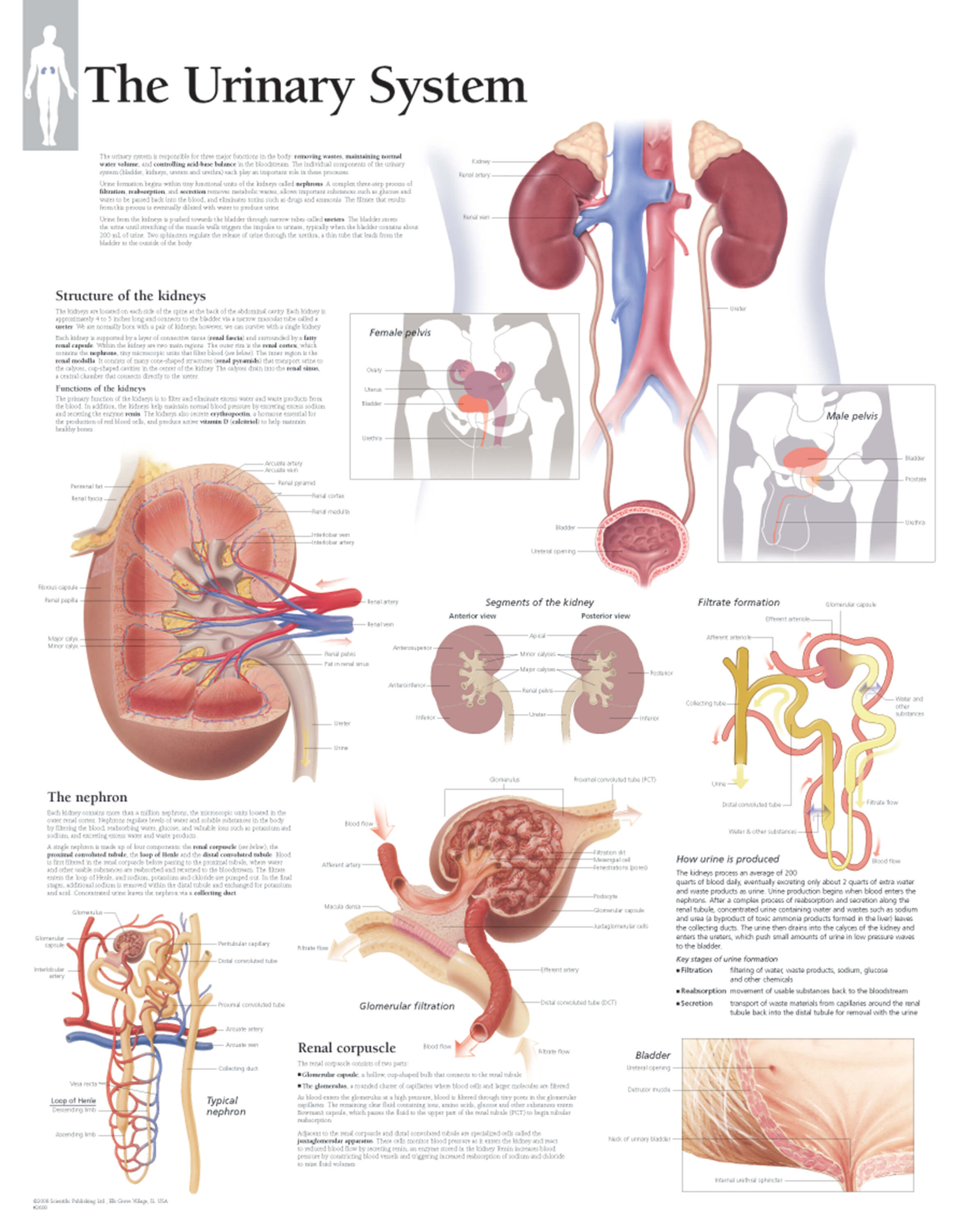
Diagram Of Urinary System
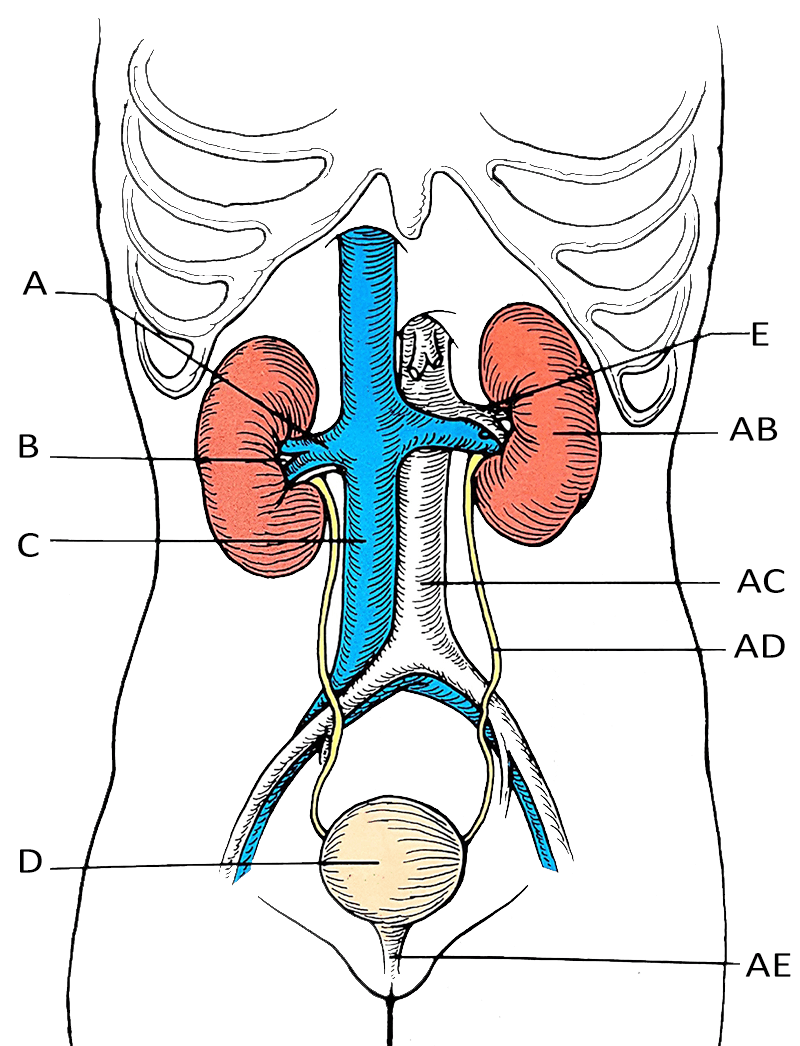
Urinary System Diagram World of Reference
The Renal Columns Are Connective Tissue Extensions That Radiate Downward From The Cortex Through The Medulla To Separate The Most Characteristic Features Of The Medulla, The.
Tubes That Transport Urine From The Kidneys To The Urinary Bladder.
Web Part Of The Teachme Series.
Web In This Laboratory, You Will Use Models, Diagrams And Histological Samples To Study The Anatomy Of The Urinary System.
Related Post: